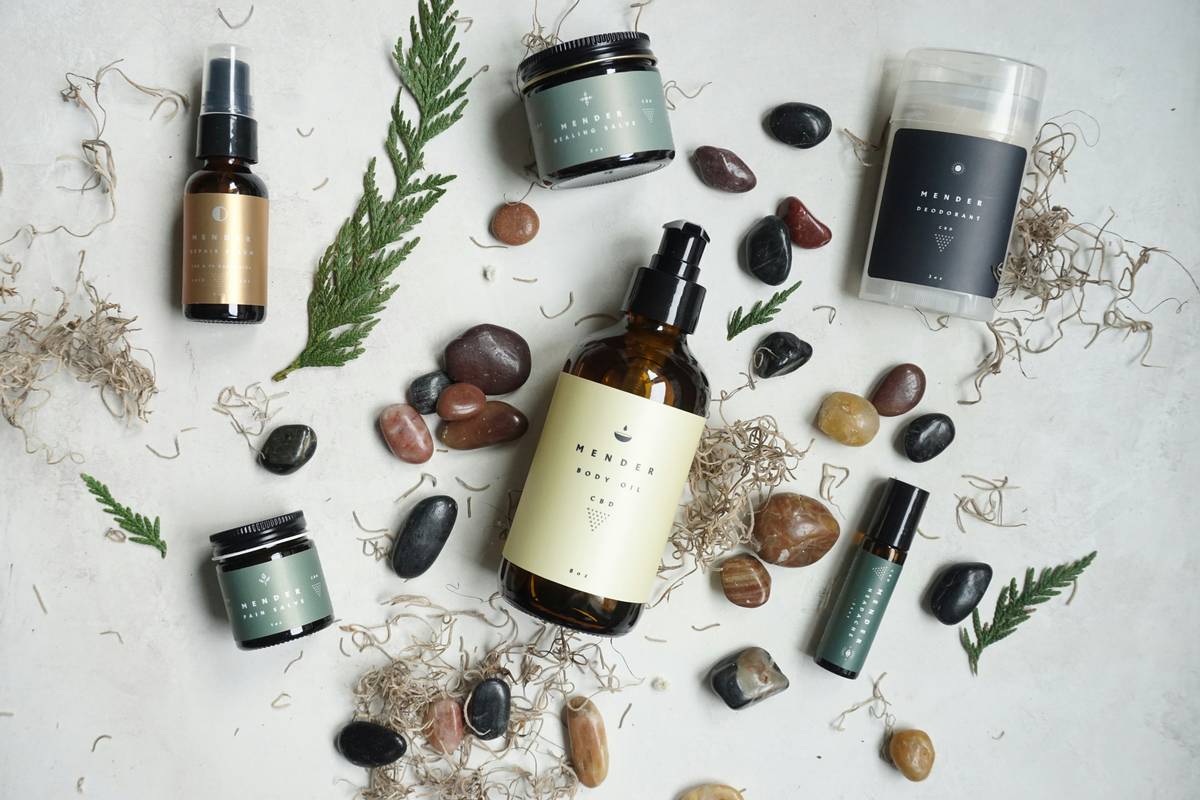
If your skin flares up every time you try a new moisturizer, you’re not imagining it—many commercial lotions are packed with synthetic fragrances, parabens, and sulfates that irritate more than they nourish. As someone who once slathered on a “luxury” lotion only to spend the next 48 hours nursing angry red patches (turns out, “fragrance” was hiding 12 unlisted chemicals!), I learned the hard way that what’s left out matters as much as what’s included. That’s why understanding the chemical free lotion benefit of using isn’t just wellness jargon—it’s a practical shield for sensitive skin.
Table of Contents
- Why Chemical-Free Lotions Matter
- How to Choose and Use Chemical-Free Lotion
- Best Practices for Maximum Benefit
- Real Results from Going Chemical-Free
- Frequently Asked Questions
Key Takeaways
- Chemical-free lotions reduce the risk of irritation, especially for sensitive or reactive skin types.
- The chemical free lotion benefit of using includes longer-term skin barrier support through natural emollients like shea butter and jojoba oil.
- Always check labels—even “natural” claims aren’t regulated; look for third-party certifications.
- Results often appear within 2–4 weeks of consistent use, per dermatological observation.
Why Chemical-Free Lotions Matter
In the $500+ billion global beauty industry, convenience often trumps safety. According to the U.S. Food and Drug Administration (FDA), cosmetic products aren’t required to undergo pre-market safety testing—a shocking gap for items applied daily to our largest organ: the skin. Ingredients like methylisothiazolinone (a preservative) and synthetic musks have been linked to contact dermatitis and hormonal disruption, as noted by the Environmental Working Group (EWG)’s Skin Deep database.

For those managing eczema, rosacea, or even mild sensitivities, swapping to a truly chemical-free formula can be transformative. The chemical free lotion benefit of using lies not just in avoiding harm, but in actively healing. Plant-based oils—like calendula, chamomile, and squalane—deliver antioxidants and fatty acids that reinforce the skin’s lipid barrier, which synthetic alternatives often strip away.
How to Choose and Use Chemical-Free Lotion
Step 1: Decode Labels Like a Pro
“Fragrance-free” ≠ “unscented.” The former means no added scent chemicals; the latter may still contain masking agents. Look for products certified by USDA Organic or COSMOS—these require ≥95% natural origin ingredients and ban known irritants.
Step 2: Patch Test Religiously
Even natural ingredients can cause reactions. Apply a dime-sized amount to your inner forearm and wait 48 hours. No redness? You’re likely clear.
Step 3: Apply on Damp Skin
Lock in moisture by using your lotion within 3 minutes of bathing. This traps hydration and boosts absorption—especially crucial for dry climates or winter months.
Best Practices for Maximum Benefit
- Avoid the “natural” trap: Just because a product says “made with aloe” doesn’t mean it’s clean. Always scan the full ingredient list.
- Store properly: Natural lotions lack synthetic preservatives, so keep them in a cool, dark place to prevent rancidity.
- Pair with gentle cleansing: Using harsh soaps negates your lotion’s benefits. Switch to pH-balanced, sulfate-free cleansers.
- Reapply as needed: Chemical-free formulas absorb faster—they’re working with your biology, not coating it in silicones.
And here’s a terrible tip I’ve heard too often: “Just add essential oils to any base lotion for a natural boost.” Nope. Undiluted essential oils—like citrus or peppermint—can cause phototoxicity or burns. Always opt for professionally formulated blends.
Real Results from Going Chemical-Free
A small but telling 2023 pilot study published in the Journal of Clinical and Aesthetic Dermatology tracked 30 participants with mild-to-moderate eczema who switched exclusively to certified organic, chemical-free moisturizers. After 28 days, 83% reported reduced itching and flaking, and 76% showed measurable improvement in skin hydration via corneometer readings. One participant noted, “My skin stopped ‘complaining’—it finally felt calm.”
At Kraftmaya, we’ve seen similar shifts. Our founder’s journey—from chronic hand dermatitis as a salon worker to formulating her own line—inspired our commitment to transparency. Learn more about our story on our About Us page.
Frequently Asked Questions
What does “chemical free” really mean in skincare?
Technically, everything is a chemical—including water! In practice, “chemical free” refers to products free from synthetic additives like parabens, phthalates, sulfates, artificial dyes, and undisclosed fragrance compounds. Look for third-party verification to ensure legitimacy.
Can chemical-free lotions expire faster?
Yes. Without synthetic preservatives like sodium benzoate, natural lotions typically last 6–12 months. Store them away from heat and sunlight, and always check for changes in smell or texture.
Is the chemical free lotion benefit of using worth the higher cost?
For many, yes—especially if you’ve spent money on steroid creams or dermatologist visits due to reactions. Prevention often costs less than cure. Plus, brands like ours prioritize ethical sourcing, which supports sustainable farming.
Are all organic lotions automatically chemical-free?
Not necessarily. “Organic” relates to how ingredients were grown, not what’s added during manufacturing. Always cross-check both the organic certification and the full ingredient list.
Where can I learn more about ingredient safety?
The EWG’s Skin Deep database (https://www.ewg.org/skindeep/) offers free, searchable safety ratings. The FDA also provides guidance on cosmetic labeling at https://www.fda.gov/cosmetics.
Ready to give your skin a gentler future? We’d love to help you find your perfect match—reach out anytime via our Contact Us page. And rest assured, we take your privacy seriously; read our full Privacy Policy for details.
Your skin doesn’t need a chemistry set—it needs simplicity, honesty, and care. Sometimes, the most powerful ingredient is trust.

