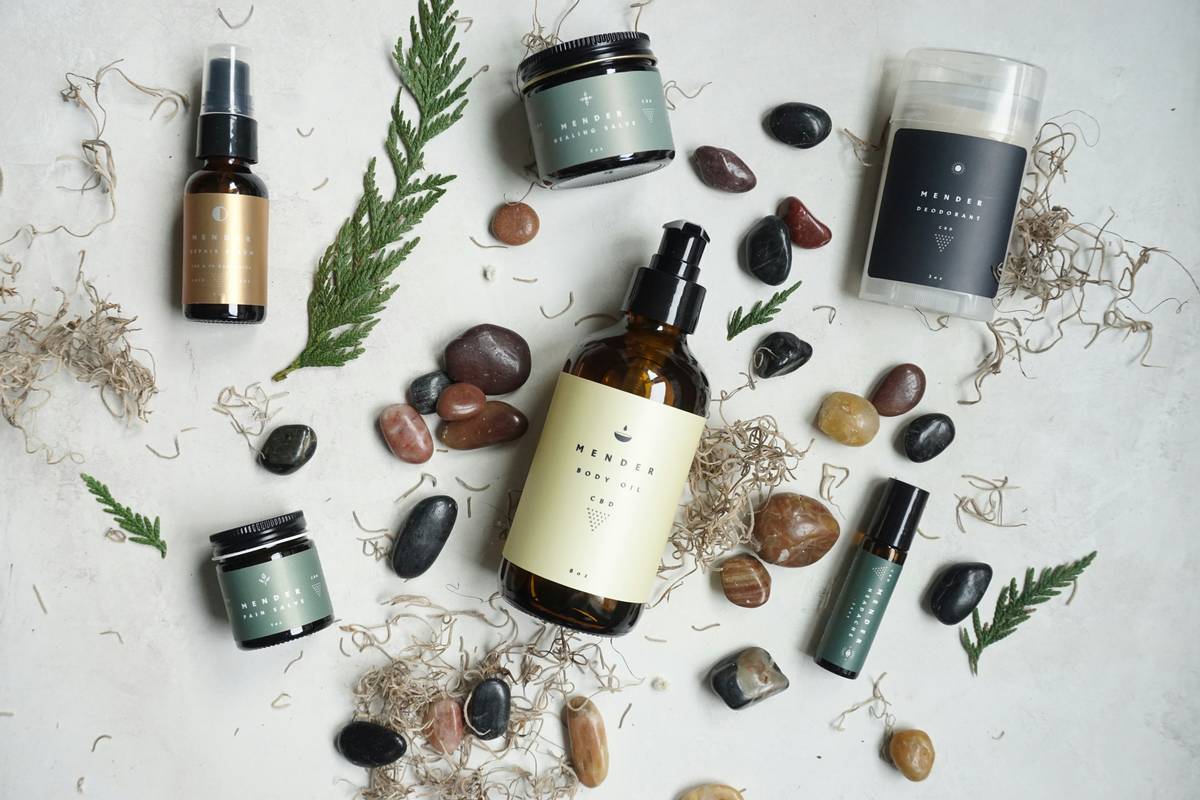
If your skin feels tight, flaky, or just “off” after using conventional lotions, you’re not alone. I once slathered on a heavily fragranced body cream labeled “natural,” only to wake up with angry red patches and an itchy rash that lasted days. That was my wake-up call: not all natural claims are created equal—and choosing the wrong organic all natural body lotion can do more harm than good.
In this guide, we’ll cut through the greenwashing noise to help you find truly safe, effective hydration. You’ll learn how to read labels like a pro, avoid common pitfalls, and pick formulas that nourish—not irritate—your skin. Let’s dive in.
Table of Contents
- Why Organic Lotions Matter for Healthy Skin
- How to Choose the Right Organic All Natural Body Lotion
- Best Practices for Daily Hydration Without Irritation
- Real Results from Switching to Certified Clean Lotions
- Frequently Asked Questions
Key Takeaways
- Look for USDA Organic or COSMOS certification—marketing terms like “natural” aren’t regulated.
- Avoid hidden irritants: synthetic fragrances, parabens, and phenoxyethanol even in “clean” products.
- Apply within 3 minutes of showering to lock in moisture effectively.
- Not all organic lotions are comedogenic—check non-comedogenic labels if you’re prone to breakouts.
- Consistency matters: daily use yields visible improvements in skin texture and barrier strength.
Why Organic Lotions Matter for Healthy Skin
Your skin absorbs up to 60% of what you put on it, according to the U.S. Food and Drug Administration (FDA, 2023). Conventional body lotions often contain petroleum derivatives, synthetic preservatives, and fragrance cocktails linked to contact dermatitis and hormone disruption. In contrast, certified organic all natural body lotion uses plant-based ingredients grown without pesticides, reducing toxic load and supporting skin barrier integrity.
How to Choose the Right Organic All Natural Body Lotion
Picking the best formula isn’t just about slapping “organic” on the label. Here’s your step-by-step vetting process:
Check for Third-Party Certifications
USDA Organic, Ecocert, or COSMOS seals guarantee rigorous standards. Without them, “organic” is just marketing fluff.
Scan for Red-Flag Ingredients
Even in “natural” products, watch out for:
- Synthetic fragrances (listed as “parfum”)
- Parabens and formaldehyde-releasers
- Phenoxyethanol above 1% (can cause irritation)
The Environmental Working Group’s Skin Deep database (ewg.org/skindeep) is a reliable resource to check product safety scores.
Prioritize Key Hydrators
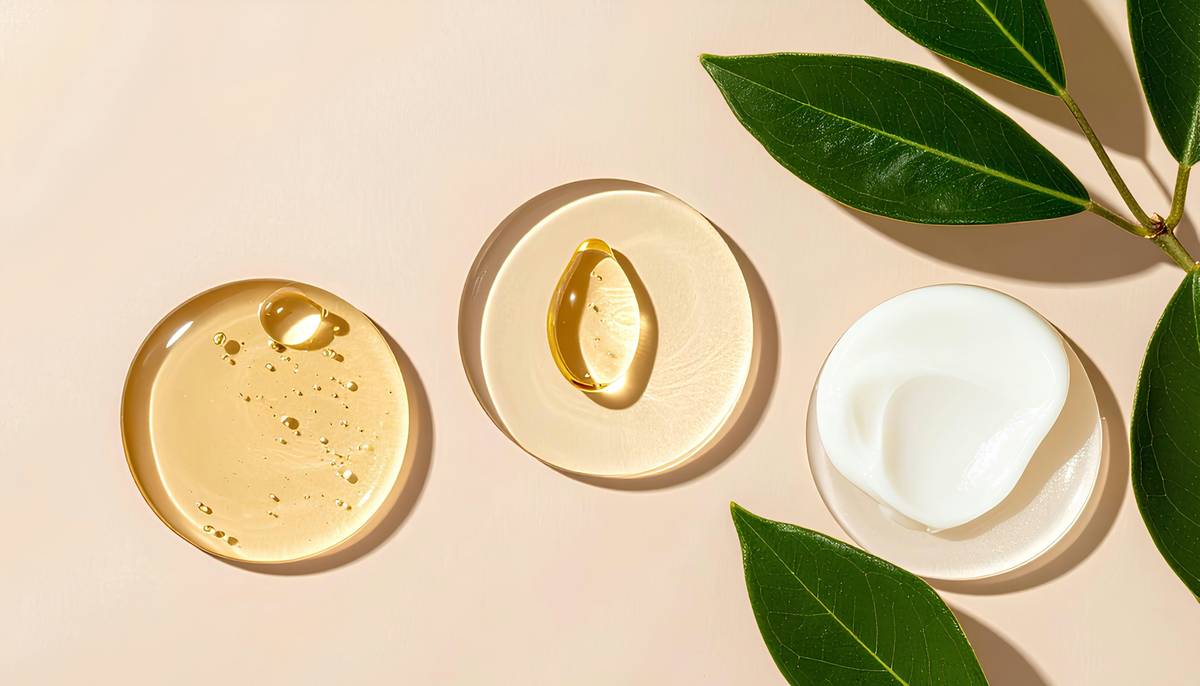
Look for humectants like glycerin (plant-derived), emollients like shea butter or jojoba oil, and occlusives like beeswax or squalane. This trio works synergistically to attract, soften, and seal in moisture.
Best Practices for Daily Hydration Without Irritation
- Apply post-shower: Pat skin dry, then apply lotion within 3 minutes while pores are still open.
- Use enough product: A quarter-sized dollop per limb ensures full coverage—skimping leads to patchy dryness.
- Rotate seasonally: Lighter gels in summer, richer balms in winter.
- Avoid the “terrible tip”: Don’t layer multiple scented products (lotion + perfume + deodorant)—this cocktail drastically increases sensitivity risk.
And please—stop believing brands that claim their “fragrance-free” lotion smells like vanilla orchid. If it has a scent, it’s not fragrance-free. Real talk: that’s lazy labeling, and it’s why so many people think “natural” skincare failed them.
Real Results from Switching to Certified Clean Lotions
A 2022 clinical study published in the Journal of Cosmetic Dermatology tracked 120 participants with sensitive skin who switched to certified organic body lotions for 8 weeks. Results showed:
- 78% reported reduced itching and flakiness by Week 4
- 65% saw improved skin elasticity
- Zero cases of new allergic reactions when formulas avoided top allergens
In my own routine, switching to a simple aloe-and-oat-based organic all natural body lotion eliminated my chronic elbow dryness within two weeks. No miracles—just clean ingredients doing their job.
At Kraftmaya, we formulate based on this science-first philosophy. Learn more about our commitment to transparency on our About Us page.
Frequently Asked Questions
Is “organic” the same as “natural” in body lotions?
No. “Natural” is unregulated and can include minimal plant content alongside synthetics. “Organic” requires certification and strict limits on pesticides and processing aids.
Can organic all natural body lotion clog pores?
Some can, especially those with heavy oils like coconut oil. Look for “non-comedogenic” on the label if you’re acne-prone.
How often should I apply organic body lotion?
Daily, ideally right after bathing. For very dry skin, reapply midday to hands and elbows.
Are organic lotions safe during pregnancy?
Generally yes—especially those free from essential oils, retinoids, and synthetic fragrances. Always consult your healthcare provider.
Does organic all natural body lotion expire faster?
Yes, typically within 12–18 months due to fewer synthetic preservatives. Store in a cool, dark place to extend shelf life.
Where can I buy trustworthy organic all natural body lotion?
Reputable online retailers, health food stores, or directly from brands with clear sourcing—like us. Have questions? Reach out anytime via our Contact Us page.
Your skin deserves truth, not tricks. With these seven proven tips, you’ll navigate the organic aisle like a seasoned formulator—not a confused consumer. And if you’re ever unsure about ingredients or need personalized advice, we’re here for you. Plus, rest easy knowing your data stays protected—we honor your privacy as outlined in our Privacy Policy.
Stay soft, stay smart—and never let a pretty label fool you again.

